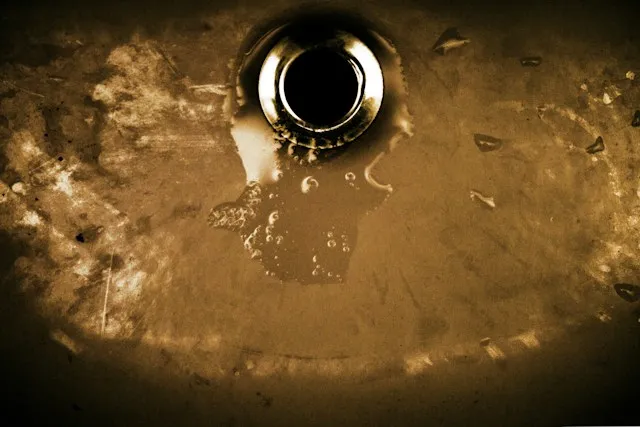
A practical guide to preventing clogs before they start, plus a few DIY fixes worth trying before you call a professional.
Preventing Kitchen Sink Clogs
Keep food scraps out, use hot water flushes, and choose enzyme cleaners to keep kitchen sinks clear, with advice from Wichita Sewer and Drain Service.
Bathroom Sink Maintenance
Use drain guards, clean pop-up stoppers regularly, and opt for enzyme-based cleaners for soap buildup to maintain smooth-flowing bathroom sinks.
Keeping Bathtubs and Showers Clear
Prevent hair and soap scum clogs in bathtubs and showers with strainers, routine hot water flushes, and enzyme cleaner treatments.
Toilet Clog Prevention
Educate on proper disposal, choose septic-safe toilet paper, and keep the lid closed to avoid toilet clogs.
DIY Unclogging Tips
Explore DIY unclogging methods before calling in the pros. Check the P-trap, go fishing with a coat hanger, and use the right plunger to tackle common clogs.
The P-trap, the P-shaped pipe under sinks, often harbors clogs and is a straightforward DIY fix. Unscrew the nuts on either side, clean it out, and reassemble. Place a bucket underneath to catch any water and debris.
Tub and shower drains are frequently clogged with hair right at the opening. Remove the strainer, straighten a coat hanger, make a small hook at one end, and use it to fish out the clog. Twisting it can help catch more hair and debris.
A common mistake is using a sink plunger for toilet clogs. Use a flat-base plunger for sinks and a flanged one for toilets — the flanged plunger creates a better seal, making it more effective for tough clogs.
Pour a cup of baking soda followed by a cup of vinegar down the drain. Cover it to contain the fizzing action, which helps break down the clog. Flush with hot water after 15 minutes.
Sometimes a simple kettle of boiling water can clear a clog, especially one caused by grease or soap. This works especially well for kitchen sinks. Pour slowly in two to three stages, allowing the hot water to work between each pour.
Regular maintenance and mindful usage prevent most clogs. If DIY methods don't work, we're available to help.
FAQs
For maintenance, using an enzyme cleaner once a month is recommended. For heavier use, consider more frequent treatments.
Chemical drain cleaners can be harsh. Opt for gentler, enzyme-based cleaners when possible, as recommended by Wichita Sewer and Drain Service.
If DIY methods fail, it's best to contact Wichita Sewer and Drain Service to avoid damaging your plumbing.